The VSCOO Journal
Guides, tips, and expertise for brands building their knitwear collection.
From Sample to Finished Sweater: A Complete Look at the Knitwear Production Process
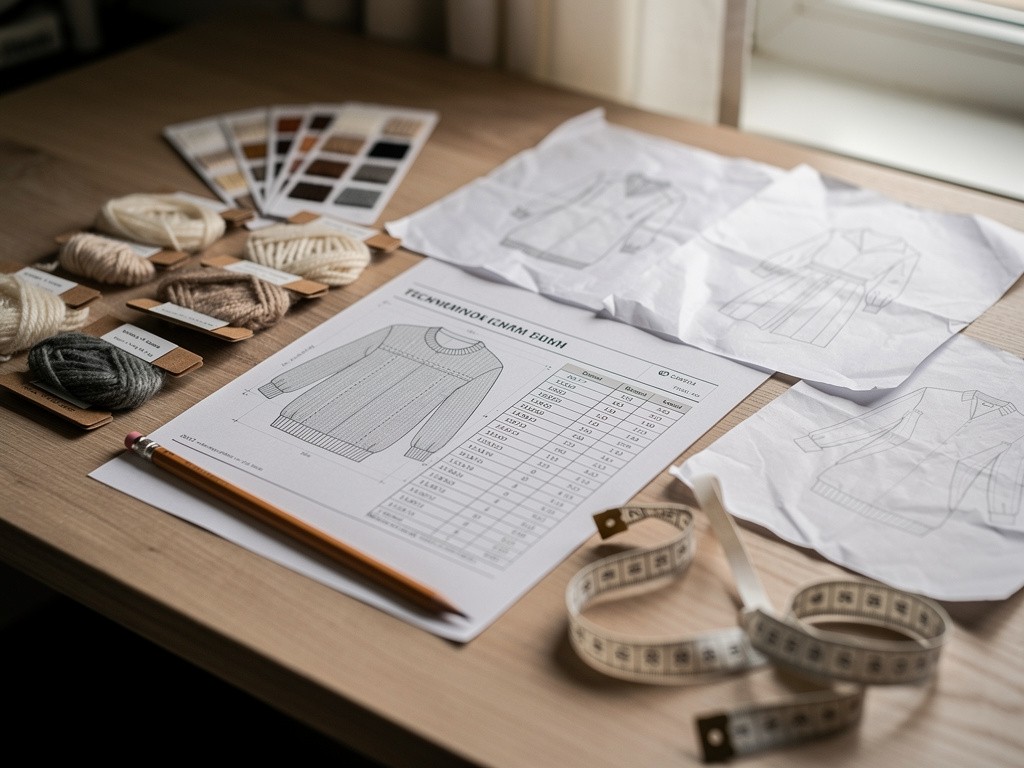
Ever wondered what actually happens between a sketch and the sweater that arrives at your door? Behind every well-made knit lies a detailed, multi-stage journey involving skilled hands, precise machines, and careful quality checks. Understanding this process not only demystifies how sweaters are made—it also helps brands set realistic timelines, communicate better with their factory, and make smarter production decisions. In this guide, we'll walk through the complete sweater production process, step by step, from the very first sample to the final finished piece.Step 1: Design and Tech Pack PreparationEvery sweater begins with a clear plan. Before any yarn is touched, the design is translated into a tech pack—a detailed specification document that includes measurements, stitch types, yarn composition, gauge, color codes, trims, labels, and construction notes.The tech pack is the shared language between the brand and the factory. The more precise it is, the fewer misunderstandings arise later. This stage sets the foundation for everything that follows, which is why experienced brands invest time here to get every detail right.Step 2: Yarn Selection and SourcingWith the design defined, the next step is selecting the right yarn. This involves choosing the fiber (such as cotton, wool, cashmere, or a blend), the weight, and the color. Yarn is the single biggest factor in how a sweater looks, feels, and performs, so this decision carries significant weight.At this stage, dye lots and color matching are confirmed against approved standards. The factory sources the yarn, and any lab dips (color samples) are checked and approved before moving forward.Step 3: Sampling and ApprovalThis is one of the most critical phases. Using the tech pack and selected yarn, the factory produces a sample—a first physical version of the sweater. The sample is used to check fit, measurements, stitch quality, hand-feel, and overall appearance.Samples often go through several rounds:· Proto sample — the first version to test the design and construction.· Fit sample — refined to perfect the measurements and fit.· Pre-production (PP) sample — the final approved version that represents exactly what mass production should look like.Only once the PP sample is approved does the order move into production. This step protects both the brand and the factory by confirming expectations before committing to full volume.Step 4: Knitting the PanelsWith the sample approved, production begins. Modern sweaters are typically knitted on computerized flat knitting machines, which produce the individual panels—front, back, sleeves, and collar—according to the programmed pattern and gauge.Depending on the design, sweaters may be fully fashioned (knitted to shape, with minimal cutting and waste) or cut and sewn (knitted as fabric, then cut to shape). Fully fashioned construction is often preferred for quality knitwear because it reduces waste and creates cleaner edges.Step 5: Linking and AssemblyOnce the panels are knitted, they need to be joined together. This is done through linking, a specialized process—often performed by skilled workers on a linking machine—where the knitted pieces are stitched together loop by loop for a smooth, durable, and nearly invisible seam.Assembly includes attaching sleeves, closing side seams, and adding collars, cuffs, and hems. The precision of this stage directly affects the sweater's final fit and appearance, making it one of the most craftsmanship-dependent steps in the entire process.Step 6: Washing, Steaming, and BlockingAfter assembly, sweaters go through washing and finishing to achieve their final hand-feel and appearance. Washing softens the fibers and can enhance texture, while steaming and blocking shape the garment to its correct measurements and give it a clean, professional finish.This stage is where a sweater truly takes on its intended look and drape. Proper finishing ensures consistency across every piece in the order.Step 7: Quality Control and InspectionQuality control runs throughout production, but a thorough final inspection is essential before shipping. Inspectors check measurements, stitch quality, seams, color consistency, and overall appearance, and look for any defects such as loose threads, holes, or irregularities.Many factories follow AQL (Acceptable Quality Limit) standards to systematically evaluate quality across a batch. Garments that don't meet standards are repaired or rejected. This step is the final safeguard that protects your brand's reputation.Step 8: Finishing, Labeling, and PackingIn the final stage, sweaters are trimmed, pressed, and fitted with all necessary labels, hangtags, and care instructions. They are then folded, poly-bagged, and packed according to the brand's specifications and shipping requirements.Proper labeling and packing aren't just about presentation—they also ensure compliance with import regulations and protect the garments during transit.How Long Does the Whole Process Take?Timelines vary depending on complexity, order quantity, and yarn availability, but sampling alone can take several weeks due to multiple approval rounds, while bulk production typically follows over a period of weeks after approval. Building realistic timelines into your planning—and communicating clearly with your manufacturer—helps ensure a smooth launch without last-minute pressure.Frequently Asked QuestionsWhy does sampling take so long?Sampling involves multiple rounds of refinement to perfect fit, measurements, and quality. Rushing this stage often leads to problems in bulk production, so it's worth the time.What's the difference between fully fashioned and cut-and-sewn sweaters?Fully fashioned sweaters are knitted to shape with minimal waste and cleaner edges, while cut-and-sewn sweaters are cut from knitted fabric. Fully fashioned is often associated with higher-quality knitwear.What is a PP sample?A pre-production sample is the final approved reference that represents exactly how bulk production should look. Production only begins after it's signed off.Can I visit or monitor the production process?Many factories welcome communication and updates throughout production, and a transparent partner like VSCOO will keep you informed at every key stage.From First Stitch to Final PieceA great sweater is the result of many careful steps working in harmony—from a precise tech pack and the right yarn, through meticulous sampling, knitting, linking, finishing, and inspection. Understanding this journey helps you appreciate the craftsmanship behind every piece and work more effectively with your manufacturing partner.Ready to bring your sweater design to life? Get in touch for a quote and let's start the process together.
Latest Articles
Jacquard, Intarsia, and Printing: What's the Difference in Sweater Patterns?
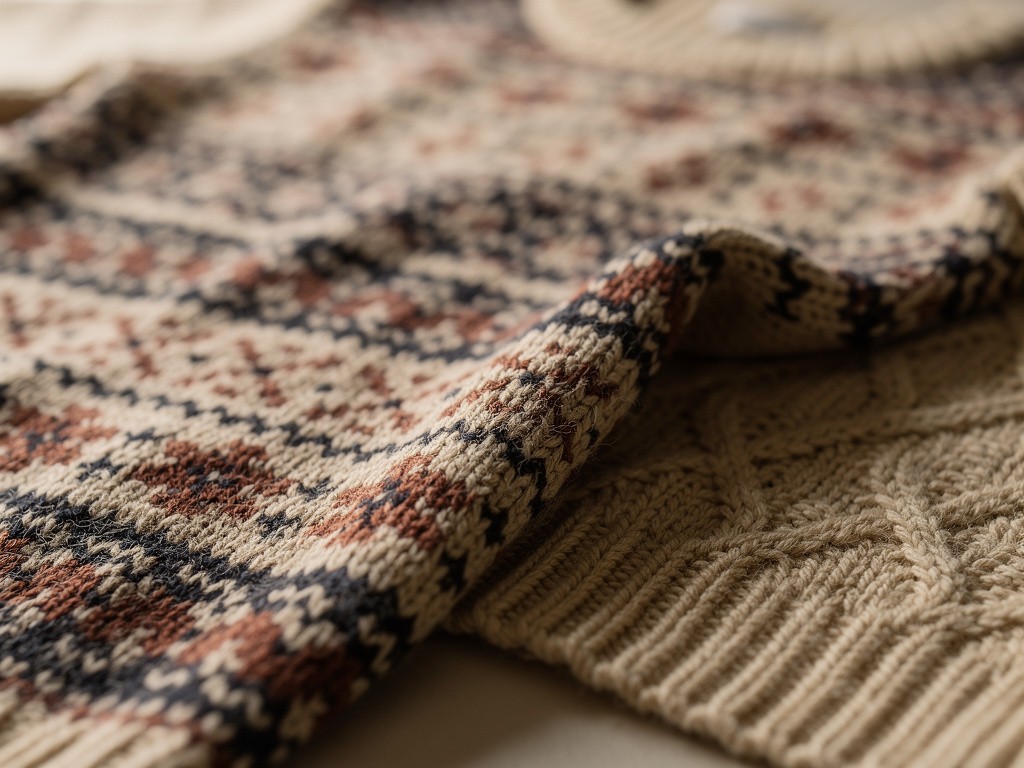
When you fall in love with a patterned sweater—whether it's a bold geometric design, a colorful holiday motif, or a striking graphic—there's a good chance one of three techniques brought that pattern to life: jacquard, intarsia, or printing. While the finished results can look similar at a glance, the methods behind them are fundamentally different, and each affects the sweater's appearance, feel, cost, and durability in distinct ways. Understanding these differences helps brands choose the right technique for their design and set the right expectations from the start. Let's break down each one.What Is Jacquard Knitting?Jacquard is a knitting technique where multiple yarn colors are worked into the fabric at the same time to create a pattern. Instead of adding color after the fact, the design is built directly into the knit structure as the sweater is made.Because more than one color is knitted across each row, the yarns not currently showing on the front are carried along the back of the fabric. These carried yarns are called floats. This is the tell-tale sign of jacquard: turn the sweater inside out, and you'll typically see the "reverse" of the pattern along with these floating strands.Key characteristics of jacquard:· The pattern is knitted into the fabric itself, making it durable and integrated.· It works beautifully for repeating patterns—such as Fair Isle, geometric motifs, snowflakes, and small all-over designs.· The reverse side shows floats, and the fabric is often slightly thicker and warmer because of the multiple yarns.· Best suited for designs with a limited, repeating color palette.What Is Intarsia Knitting?Intarsia is also a color-knitting technique, but it works quite differently from jacquard. Instead of carrying yarns across the entire row, intarsia uses separate blocks of color, each with its own yarn, joined together only where the colors meet.This means there are no floats on the back—the reverse side looks much cleaner, and the fabric stays a single, consistent thickness. Intarsia is the go-to technique when you want large, distinct areas of color.Key characteristics of intarsia:· Ideal for large color blocks, bold graphics, single motifs, and picture-like designs (think a single large logo, an argyle pattern, or a big graphic image).· No floats on the back, so the fabric is not thicker and the reverse is neat.· Each color area uses its own yarn, making it a more labor-intensive and often more premium technique.· Best when the design has clearly separated color zones rather than intricate repeats.What Is Printing on Sweaters?Printing is entirely different from the two knitting methods above. With printing, the sweater (or its panels) is knitted first—usually in a solid color—and the design is then applied onto the surface of the finished knit fabric. Common methods include screen printing, heat-transfer printing, and digital printing.Because the pattern sits on top of the fabric rather than being knitted in, printing offers the most freedom for complex, detailed, or photographic designs that would be impossible or impractical to knit.Key characteristics of printing:· Allows for highly detailed, multi-color, gradient, or photographic designs with almost no limits on complexity.· The design sits on the surface, so it doesn't add warmth or thickness the way knitted color does.· Generally faster and more cost-effective for intricate artwork, especially at scale.· Durability depends on the print method and quality—prints can potentially crack, fade, or peel over time if not done well, whereas knitted patterns are integrated into the fabric. Side-by-Side: How They CompareFeatureJacquardIntarsiaPrintingHow it's madeMultiple colors knitted together per rowSeparate color blocks knitted with own yarnsDesign applied onto finished knit surfaceBack of fabricFloats visibleClean, no floatsUnaffected (solid knit)Best forRepeating patterns, Fair Isle, small motifsLarge color blocks, bold single graphicsDetailed, multi-color, photographic artFabric thicknessSlightly thicker/warmerSame as base fabricSame as base fabricDesign complexityModerate, repeat-friendlyDistinct color zonesVirtually unlimitedDurabilityVery durable (knitted in)Very durable (knitted in)Depends on print qualityHow to Choose the Right TechniqueThe best choice depends on your design and priorities.Choose jacquard if your design features repeating patterns or small, allover motifs, and you want the warmth and integrated durability of a knitted-in design—classic Fair Isle sweaters are a perfect example.Choose intarsia if your design has large, bold blocks of color or a single standout graphic, and you want a clean reverse side and a premium, integrated finish without added bulk.Choose printing if your design is highly detailed, uses many colors or gradients, or is photographic in nature—situations where knitting the pattern would be impractical. It's also often the most efficient route for complex artwork.In some cases, brands even combine techniques—for example, a jacquard or intarsia base with a small printed detail—to achieve exactly the look they want.Frequently Asked QuestionsWhich technique is the most durable?Jacquard and intarsia are generally the most durable because the pattern is knitted directly into the fabric. Printing durability depends heavily on the method and quality of application.Is intarsia more expensive than jacquard?Intarsia is often more labor-intensive because each color block uses its own yarn and requires careful joining, so it can be more costly, especially for complex designs.Can I get a very detailed, colorful image on a sweater?Yes—printing is usually the best choice for highly detailed or photographic designs, since knitting such complexity is impractical.How do I know which technique suits my design?Share your design with your manufacturer. An experienced knitwear partner like VSCOO can advise on the most suitable technique based on your artwork, budget, and quality goals.The Right Pattern, The Right MethodJacquard, intarsia, and printing each bring patterns to life in their own way—jacquard weaves color into repeating knitted designs, intarsia creates bold, clean blocks of color, and printing opens the door to unlimited detail on the surface. Knowing the difference empowers you to design smarter, communicate clearly with your factory, and achieve the exact look and quality your brand deserves.Have a patterned sweater design in mind? Get in touch for a quote and let's find the perfect technique to bring it to life.
From Sample to Finished Sweater: A Complete Look at the Knitwear Production Process
Ever wondered what actually happens between a sketch and the sweater that arrives at your door? Behind every well-made knit lies a detailed, multi-stage journey involving skilled hands, precise machines, and careful quality checks. Understanding this process not only demystifies how sweaters are made—it also helps brands set realistic timelines, communicate better with their factory, and make smarter production decisions. In this guide, we'll walk through the complete sweater production process, step by step, from the very first sample to the final finished piece.Step 1: Design and Tech Pack PreparationEvery sweater begins with a clear plan. Before any yarn is touched, the design is translated into a tech pack—a detailed specification document that includes measurements, stitch types, yarn composition, gauge, color codes, trims, labels, and construction notes.The tech pack is the shared language between the brand and the factory. The more precise it is, the fewer misunderstandings arise later. This stage sets the foundation for everything that follows, which is why experienced brands invest time here to get every detail right.Step 2: Yarn Selection and SourcingWith the design defined, the next step is selecting the right yarn. This involves choosing the fiber (such as cotton, wool, cashmere, or a blend), the weight, and the color. Yarn is the single biggest factor in how a sweater looks, feels, and performs, so this decision carries significant weight.At this stage, dye lots and color matching are confirmed against approved standards. The factory sources the yarn, and any lab dips (color samples) are checked and approved before moving forward.Step 3: Sampling and ApprovalThis is one of the most critical phases. Using the tech pack and selected yarn, the factory produces a sample—a first physical version of the sweater. The sample is used to check fit, measurements, stitch quality, hand-feel, and overall appearance.Samples often go through several rounds:· Proto sample — the first version to test the design and construction.· Fit sample — refined to perfect the measurements and fit.· Pre-production (PP) sample — the final approved version that represents exactly what mass production should look like.Only once the PP sample is approved does the order move into production. This step protects both the brand and the factory by confirming expectations before committing to full volume.Step 4: Knitting the PanelsWith the sample approved, production begins. Modern sweaters are typically knitted on computerized flat knitting machines, which produce the individual panels—front, back, sleeves, and collar—according to the programmed pattern and gauge.Depending on the design, sweaters may be fully fashioned (knitted to shape, with minimal cutting and waste) or cut and sewn (knitted as fabric, then cut to shape). Fully fashioned construction is often preferred for quality knitwear because it reduces waste and creates cleaner edges.Step 5: Linking and AssemblyOnce the panels are knitted, they need to be joined together. This is done through linking, a specialized process—often performed by skilled workers on a linking machine—where the knitted pieces are stitched together loop by loop for a smooth, durable, and nearly invisible seam.Assembly includes attaching sleeves, closing side seams, and adding collars, cuffs, and hems. The precision of this stage directly affects the sweater's final fit and appearance, making it one of the most craftsmanship-dependent steps in the entire process.Step 6: Washing, Steaming, and BlockingAfter assembly, sweaters go through washing and finishing to achieve their final hand-feel and appearance. Washing softens the fibers and can enhance texture, while steaming and blocking shape the garment to its correct measurements and give it a clean, professional finish.This stage is where a sweater truly takes on its intended look and drape. Proper finishing ensures consistency across every piece in the order.Step 7: Quality Control and InspectionQuality control runs throughout production, but a thorough final inspection is essential before shipping. Inspectors check measurements, stitch quality, seams, color consistency, and overall appearance, and look for any defects such as loose threads, holes, or irregularities.Many factories follow AQL (Acceptable Quality Limit) standards to systematically evaluate quality across a batch. Garments that don't meet standards are repaired or rejected. This step is the final safeguard that protects your brand's reputation.Step 8: Finishing, Labeling, and PackingIn the final stage, sweaters are trimmed, pressed, and fitted with all necessary labels, hangtags, and care instructions. They are then folded, poly-bagged, and packed according to the brand's specifications and shipping requirements.Proper labeling and packing aren't just about presentation—they also ensure compliance with import regulations and protect the garments during transit.How Long Does the Whole Process Take?Timelines vary depending on complexity, order quantity, and yarn availability, but sampling alone can take several weeks due to multiple approval rounds, while bulk production typically follows over a period of weeks after approval. Building realistic timelines into your planning—and communicating clearly with your manufacturer—helps ensure a smooth launch without last-minute pressure.Frequently Asked QuestionsWhy does sampling take so long?Sampling involves multiple rounds of refinement to perfect fit, measurements, and quality. Rushing this stage often leads to problems in bulk production, so it's worth the time.What's the difference between fully fashioned and cut-and-sewn sweaters?Fully fashioned sweaters are knitted to shape with minimal waste and cleaner edges, while cut-and-sewn sweaters are cut from knitted fabric. Fully fashioned is often associated with higher-quality knitwear.What is a PP sample?A pre-production sample is the final approved reference that represents exactly how bulk production should look. Production only begins after it's signed off.Can I visit or monitor the production process?Many factories welcome communication and updates throughout production, and a transparent partner like VSCOO will keep you informed at every key stage.From First Stitch to Final PieceA great sweater is the result of many careful steps working in harmony—from a precise tech pack and the right yarn, through meticulous sampling, knitting, linking, finishing, and inspection. Understanding this journey helps you appreciate the craftsmanship behind every piece and work more effectively with your manufacturing partner.Ready to bring your sweater design to life? Get in touch for a quote and let's start the process together.
OEM vs ODM: Which Model Is Right for Your Clothing Brand?
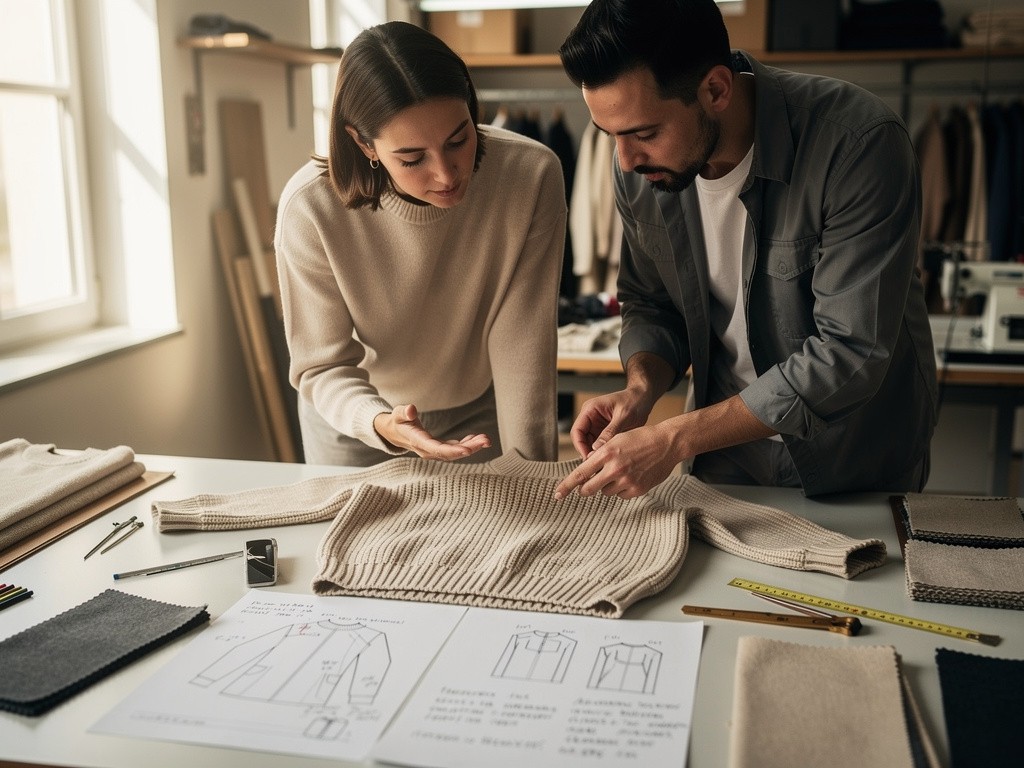
For every clothing brand, choosing the right manufacturing partnership can be just as important as the design itself. You've probably come across the terms OEM and ODM—but what do they actually mean, and how do you know which one fits your brand? These two models represent fundamentally different ways of working, from who owns the design to how much you invest and how much risk you carry. This guide breaks down the difference between OEM and ODM so you can make a smarter production decision for your brand.What Is OEM?OEM stands for Original Equipment Manufacturer. In this model, the brand provides the complete design, specifications, tech pack, and often the chosen materials, while the factory produces the garment exactly to those requirements.Put simply: the design belongs to you, and the factory brings it to life.OEM gives brands the greatest degree of control. You decide the fit, the yarn, the colors, the details, and every quality standard—and the factory applies its production capability and capacity to realize your vision. The finished product is entirely your own exclusive design, and no other brand on the market will carry the same piece.What Is ODM?ODM stands for Original Design Manufacturer. In this model, the factory already has ready-made designs or product styles, and the brand can customize them to a certain degree—changing colors, adding a logo, adjusting trims or packaging—before selling under its own label.Put simply: the design comes from the factory, and you brand it as your own.ODM allows brands to reach the market faster and with a lower barrier to entry, because much of the research, development, and prototyping has already been done by the factory. For brands that want to launch quickly without starting a design from scratch, it's an efficient path.OEM vs ODM: The Key DifferencesComparisonOEMODMDesign sourceProvided by the brandProvided by the factoryCustomization freedomHigh (fully custom)Medium (modify existing styles)Speed to marketSlower (full development)Faster (styles ready)Upfront costHigher (design + sampling)LowerProduct uniquenessExclusive, not replicableMay resemble other brandsBest suited forBrands with a clear design and budgetBrands prioritizing speed and flexibilityWhich Model Is Right for Your Brand?When OEM Is the Better Choice· You already have a clear design vision and a developed tech pack.· You want to create a unique, non-replicable product and build a strong brand moat.· You value complete control over quality, materials, and details.· You have the budget and time to invest in upfront development and sampling.If differentiation and long-term brand identity are your core competitive advantage, OEM is usually the more rewarding choice.When ODM Is the Better Choice· You want to launch quickly and capture seasonal trends or market windows.· Your design resources or development budget are limited.· You're testing a new category and want to validate the market at lower risk.· You prioritize efficiency and flexible minimums over absolute exclusivity.For startups, fast-scaling e-commerce sellers, or brands looking to test a new line at low cost, ODM is a practical and efficient path.Can You Combine Both?Absolutely. Many growing brands adopt a hybrid strategy: using ODM to quickly launch basics or supplementary lines to maintain a steady flow of new arrivals, while using OEM to create the signature or flagship pieces that define the brand's identity. A factory with both OEM and ODM capabilities can flexibly adjust the way it works as your brand grows—an important factor when choosing a manufacturing partner.Frequently Asked Questions About OEM and ODMWhich costs more, OEM or ODM?OEM typically requires a higher upfront investment, since you carry the design development and sampling costs, while ODM has a lower entry barrier thanks to ready-made styles. In terms of long-term brand value, however, the exclusivity of OEM often delivers greater returns.Could an ODM product look like another brand's?Possibly. Because ODM builds on the factory's existing designs, other brands may use similar styles. You can differentiate to some degree by customizing colors, trims, logos, and packaging.Which should a startup brand choose first?With limited budget and design resources, many startups begin with ODM to launch quickly and validate the market, then gradually shift toward OEM to build exclusive products as they grow.Can one factory handle both OEM and ODM?Yes. A full-process knitwear factory like VSCOO can produce OEM to your own designs and also offer customizable ODM solutions, helping brands choose flexibly at different stages.Choose the Right Model—and the Right PartnerWhether you lean toward the full control of OEM or the efficiency and flexibility of ODM, your success ultimately depends on the manufacturing partner you choose. A factory that understands your brand positioning, communicates transparently, and maintains consistent quality control can deliver excellent results under either model—and grow alongside your brand.Ready to find the right manufacturing model for your brand? Get in touch for a quote and let's bring your vision to life.
Custom Sweater Manufacturer: The Complete Guide for Fashion Brands
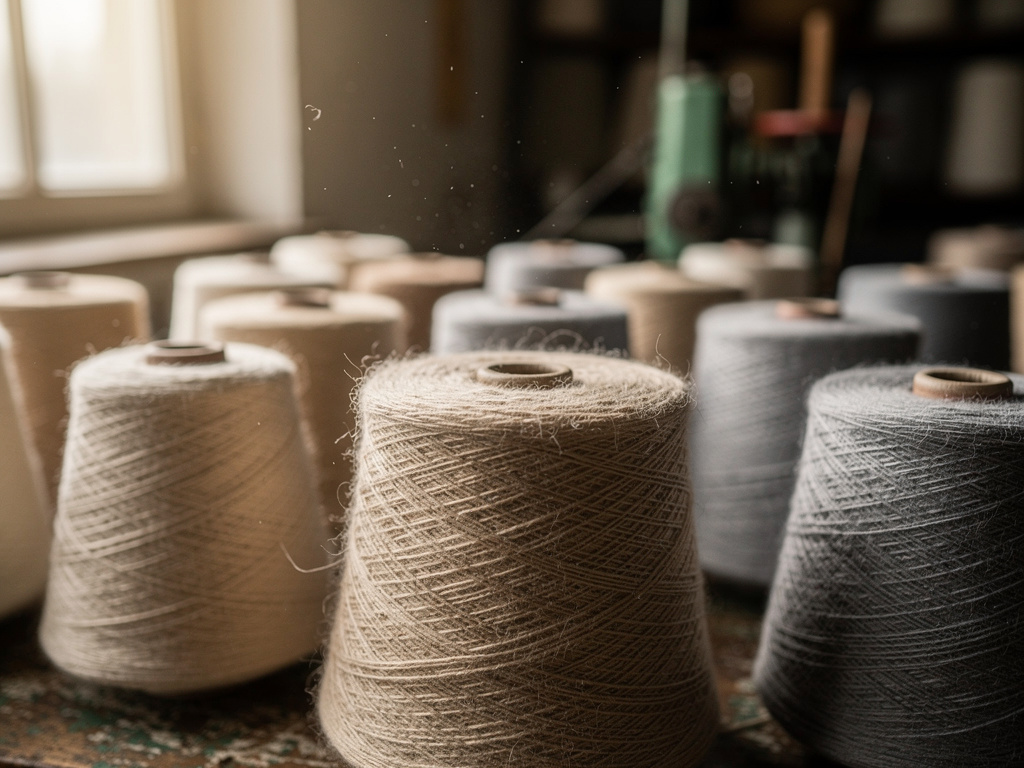
Bringing a knitwear collection to life is exciting—but choosing the right custom sweater manufacturer can make or break your brand. From yarn selection to stitch construction, small details define whether your sweaters feel premium or fall flat. This guide walks you through how professional custom knitwear production actually works, so you can partner with a factory with confidence.Why the Right Knitwear Partner MattersSweaters are one of the most technically demanding garments to produce. Unlike cut-and-sew apparel, knitwear is built stitch by stitch, meaning gauge, tension, and yarn behavior all directly affect the final fit and hand-feel. A skilled custom sweater manufacturer doesn't just sew your design—it engineers it, balancing your aesthetic vision with the realities of knitting machinery and fiber performance.For emerging DTC labels and established fashion brands alike, the difference shows up in returns, reviews, and reorders. A reliable manufacturing partner protects your margins by getting the product right the first time.How Custom Sweater Production Works, Step by Step1. Design Review and Tech PackEverything begins with your design. Whether you provide a finished tech pack, a style reference, or a simple sketch, an experienced factory will translate it into a manufacturable specification. This includes confirming the knit structure, gauge, measurements, trims, and finishing details before any sample is made.2. Yarn SelectionYarn is the single biggest driver of cost, quality, and feel. Common options include:· Merino wool for softness, warmth, and breathability—ideal for premium positioning.· Cashmere and wool-cashmere blends for luxury collections.· Cotton and cotton blends for transitional and warm-climate markets.· Recycled and organic yarns for sustainability-focused brands.· Acrylic and acrylic blends for accessible price points without sacrificing consistency. A good manufacturer will recommend the right yarn for your target price and positioning, not just the cheapest available option.3. Sampling and ApprovalBefore bulk production, you receive samples to evaluate fit, color, and construction. This is the stage to refine details—neckline shape, ribbing, button placement, or logo execution. Most reputable factories will iterate until the sample meets your standard.4. Bulk Production and Quality ControlOnce approved, your order moves to bulk. Professional factories run inline and final inspections, checking measurements, stitch integrity, color consistency, and finishing. Strong QC is what separates a dependable partner from a risky one.5. Branding, Packaging, and DeliveryThis is where private label services add real value. A full-service manufacturer can produce custom labels, woven logos, hangtags, and branded packaging—delivering a shelf-ready product that reinforces your brand identity from the moment a customer opens the box.What to Look for in a Custom Sweater ManufacturerWhen evaluating a potential partner, prioritize:· Customization depth: Can they handle private label, custom logos, color matching, yarn sourcing, and sizing tailored to your market?· Reasonable MOQs: A factory that supports lower minimums helps emerging brands test the market without overextending capital.· Category range: Manufacturers experienced across men's, women's, kids', and even pet knitwear plus accessories like beanies and scarves can grow with your brand.· Clear communication: Fast, transparent responses to inquiries—especially around costs, timelines, and revisions—signal an organized operation.· Consistent quality control: Documented inspection processes protect you from costly defects.Common Questions About Custom SweatersWhat is the typical MOQ for custom sweaters?MOQs vary by factory and yarn, but flexible manufacturers often accommodate smaller starting quantities for new brands, scaling up as your orders grow.How long does custom sweater production take?Sampling usually takes one to two weeks, while bulk production typically runs four to eight weeks depending on order size, yarn availability, and complexity.Can I add my own logo and labels?Yes. A full-service custom sweater manufacturer offers private label options including woven logos, custom care labels, hangtags, and branded packaging.Which yarn is best for my collection?It depends on your target market, season, and price point. An experienced partner will guide you toward the right balance of feel, durability, and cost.Partner With a Factory That Understands Your BrandThe best knitwear partnerships go beyond manufacturing—they bring craftsmanship, transparency, and a genuine investment in your product's success. Whether you're launching your first capsule collection or scaling an established line, working with a specialized custom sweater manufacturer ensures every stitch reflects the quality your customers expect.Ready to bring your knitwear vision to life? Get in touch for a quote and let's build something exceptional together.
Why More Brands Are Switching to Recycled and Organic Knitwear
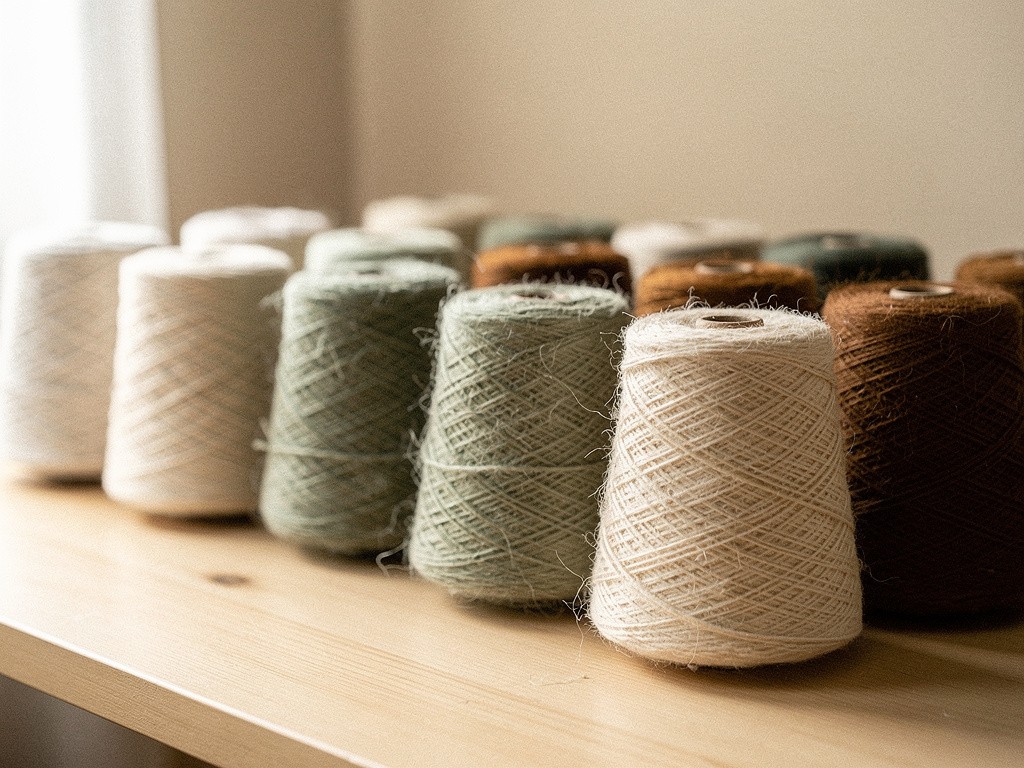
Sustainability is no longer a niche selling point—it's becoming a core expectation. Across the fashion industry, a growing number of brands are moving away from conventional materials and embracing recycled and organic knitwear. This shift isn't just about marketing; it reflects real changes in consumer values, supply chain priorities, and long-term business strategy. So what's driving this transition, and what does it mean for your brand? Let's take a closer look.What Are Recycled and Organic Knitwear?Before exploring the "why," it helps to understand the "what."Organic knitwear is made from fibers grown without synthetic pesticides, fertilizers, or genetically modified seeds—most commonly organic cotton, but also organic wool and other natural fibers. These materials are cultivated under stricter environmental and often social standards, reducing their impact on soil, water, and farming communities.Recycled knitwear is made from fibers reclaimed from post-consumer or post-industrial waste—such as recycled wool from discarded garments, or recycled polyester spun from plastic bottles. Instead of relying entirely on virgin resources, recycled yarns give existing materials a second life.Together, these two categories form the backbone of sustainable knitwear, and increasingly, they're what conscious brands are building their collections around.Why the Shift Is Happening Now1. Consumers Are Demanding ItToday's shoppers—particularly younger generations—care deeply about where their clothing comes from and how it's made. Many are willing to choose, and even pay more for, products that align with their values. For brands, offering recycled and organic knitwear is no longer optional; it's a way to earn trust and stay relevant with an increasingly informed audience.2. Environmental Impact Is Under ScrutinyConventional textile production is resource-intensive, consuming large amounts of water, energy, and chemicals. Recycled and organic materials significantly reduce this footprint—organic farming protects soil and waterways, while recycled fibers divert waste from landfills and lower the demand for virgin resources. For brands committed to reducing their environmental impact, materials are one of the most powerful levers to pull.3. Regulations and Reporting Are TighteningAround the world, governments and industry bodies are introducing stricter requirements around sustainability claims, supply chain transparency, and environmental disclosure. Brands that adopt recycled and organic materials early—and can document them credibly—are better positioned to meet these evolving standards rather than scrambling to catch up later.4. Sustainability Builds Long-Term Brand ValueBeyond compliance and cost, sustainability has become a genuine differentiator. A credible commitment to recycled and organic knitwear strengthens brand identity, deepens customer loyalty, and opens doors to retailers and partners who prioritize responsible sourcing. It's an investment in resilience as much as reputation.Common Concerns—and the RealitySome brands hesitate to make the switch, often due to a few persistent myths."Sustainable materials mean lower quality." In reality, modern organic cotton and recycled wool can match—or exceed—the softness, durability, and appearance of conventional fibers when sourced and knitted well. Quality comes down to the yarn and the craftsmanship, not the "sustainable" label."It's too expensive." While some sustainable materials carry a higher raw cost, the gap continues to narrow as demand grows. Many brands find that the value in customer loyalty, premium positioning, and future-proofing outweighs the difference."Certifications are confusing." It's true there are many standards, but a knowledgeable manufacturing partner can guide you toward the right certifications for your market and help ensure your claims are credible and verifiable.How to Make the Switch SuccessfullyTransitioning to recycled and organic knitwear doesn't have to happen all at once. Many brands start by introducing a capsule collection or converting their best-selling styles first, then expand as they gain confidence and customer feedback. The key is to work with a manufacturer who understands sustainable materials, can source certified yarns, and maintains transparent, consistent quality control throughout production.Frequently Asked QuestionsIs recycled knitwear as durable as conventional knitwear?Yes, when produced well. The durability depends on the quality of the recycled yarn and the knitting process. High-quality recycled wool and blends can perform just as well as virgin materials.What certifications should I look for?Common ones include GOTS (Global Organic Textile Standard) for organic fibers and GRS (Global Recycled Standard) for recycled content. The right choice depends on your materials and target market—your manufacturer can advise.Does organic cotton feel different from regular cotton?Organic cotton is typically just as soft, and many find it gentler on the skin since it's grown and processed without harsh synthetic chemicals.Can a factory produce both recycled and organic knitwear?Yes. A capable knitwear manufacturer like VSCOO can source certified organic and recycled yarns and produce both to your specifications, making it easier to build a sustainable collection.Building a More Sustainable Future, TogetherThe move toward recycled and organic knitwear isn't a passing trend—it's a reflection of where the industry, and its customers, are heading. Brands that embrace this shift thoughtfully stand to gain loyal customers, stronger positioning, and a more resilient supply chain. And it all starts with choosing the right materials and the right manufacturing partner.Ready to create knitwear your customers can feel good about? Get in touch for a quote and let's build a more sustainable collection together.
How to Care for Sweaters: A Complete Guide to Keeping Knitwear Looking New
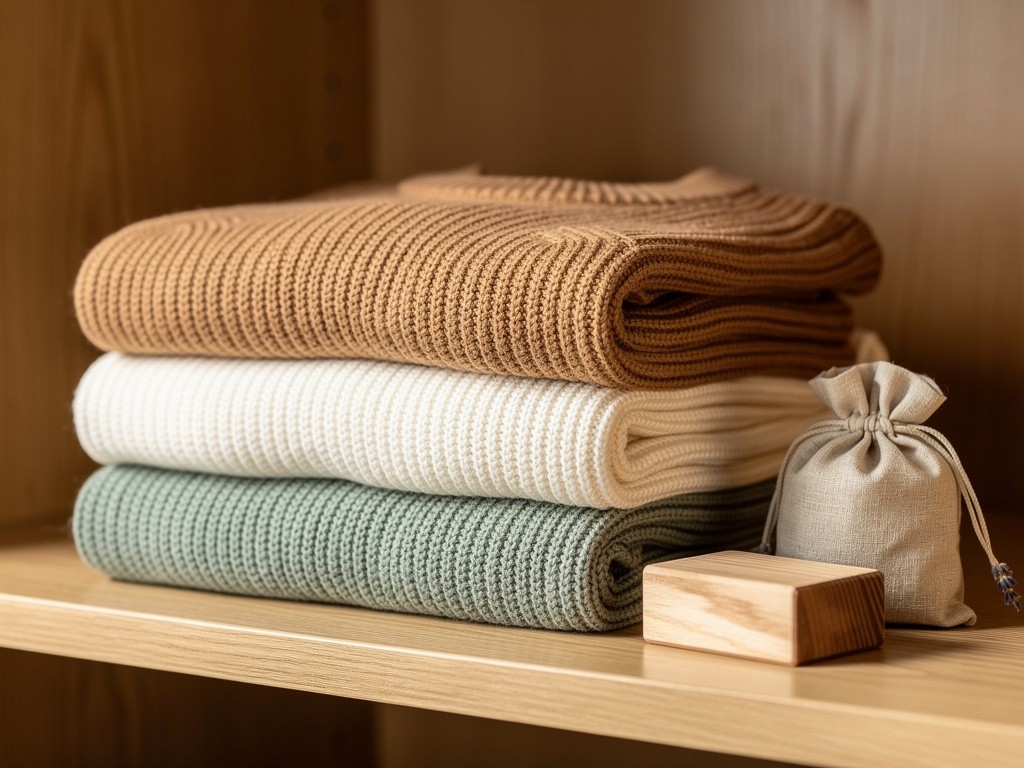
A well-made sweater is an investment—and with the right care, it can stay soft, structured, and beautiful for years. Yet knitwear is also one of the most commonly damaged garments in the wardrobe, thanks to improper washing, drying, and storage. This guide breaks down exactly how to care for sweaters, whether they're merino wool, cashmere, cotton, or a blend, so your favorite pieces keep their shape and comfort season after season.Why Sweater Care Matters More Than You ThinkUnlike woven fabrics, sweaters are knitted—a construction of interlocking loops that gives knitwear its stretch and warmth, but also makes it vulnerable to stretching, shrinking, and pilling. As a custom knitwear manufacturer, we see firsthand how proper care can double or triple a garment's lifespan. The good news: caring for sweaters is simple once you understand a few fundamentals about fiber behavior.Step 1: Always Read the Care Label FirstBefore anything else, check the care label sewn into the garment. It tells you the fiber content and the manufacturer's recommended method—hand wash, machine wash, or dry clean only. Different fibers behave very differently:· Wool and merino: Naturally odor-resistant and often needs washing less frequently than you'd expect.· Cashmere: Delicate and luxurious; benefits from gentle hand washing.· Cotton and cotton blends: More durable and machine-friendly, but still prone to stretching if handled roughly.· Acrylic and synthetics: Easy-care, but more prone to pilling over time.When in doubt, treat the sweater as delicate—gentler methods rarely cause harm.Step 2: How to Wash a Sweater ProperlyHand Washing (Best for Wool and Cashmere)Hand washing is the safest method for delicate knits. Fill a basin with cool or lukewarm water and add a small amount of gentle wool-specific or pH-neutral detergent. Submerge the sweater and gently press the water through the fabric—never twist, wring, or scrub, as this breaks fibers and distorts the shape. Let it soak for a few minutes, then rinse thoroughly with clean water.Machine Washing (For Sturdier Knits)If the label permits, use the gentle or wool cycle with cold water. Turn the sweater inside out and place it inside a mesh laundry bag to reduce friction and pilling. Always use a mild detergent and skip the fabric softener, which can coat natural fibers and reduce their softness over time.Step 3: Drying Without DamageThis is where most sweaters get ruined. Never hang a wet sweater or put it in the dryer—the weight of the water will stretch it out of shape, and heat can cause severe shrinkage.Instead, gently press out excess water (do not wring), then lay the sweater flat on a clean, dry towel. Roll the towel up with the sweater inside to absorb moisture, then reshape the sweater to its original dimensions and lay it flat to dry on a fresh towel or a mesh drying rack, away from direct sunlight and heat sources.Step 4: How to Remove PillingPilling—those small fuzzy balls that form where fabric rubs together—is normal and doesn't mean your sweater is low quality. To remove pills safely, use a dedicated fabric shaver or a sweater comb, working gently in one direction over a flat surface. Avoid pulling pills off by hand, which can damage the surrounding stitches. Regular, gentle de-pilling keeps knitwear looking fresh and new.Step 5: Storing Sweaters the Right WayHow you store sweaters between wears matters just as much as how you wash them.· Fold, don't hang. Hanging stretches the shoulders and distorts the shape. Always fold sweaters and stack them on a shelf or in a drawer.· Keep them clean before storing. Moths and pests are attracted to body oils and food residue, so wash or air sweaters before long-term storage.· Use breathable storage. For seasonal storage, use cotton garment bags or breathable boxes rather than sealed plastic, which can trap moisture.· Add natural deterrents. Cedar blocks or lavender sachets help protect wool and cashmere from moths without harsh chemicals.Quick Tips to Extend Your Sweater's Life· Let sweaters rest a day between wears so fibers can recover their shape.· Wash less frequently—airing out wool is often enough to refresh it.· Address stains promptly with gentle spot cleaning rather than a full wash.· Store heavy knits folded flat, never on hangers.Frequently Asked QuestionsHow often should I wash a wool sweater?Wool is naturally odor- and dirt-resistant, so you can often wear it several times before washing. Airing it out overnight is usually enough to refresh it between washes.Can I put a sweater in the dryer?It's best to avoid it. Heat and tumbling cause shrinkage and felting, especially with wool and cashmere. Always lay sweaters flat to dry instead.How do I stop my sweater from pilling?Turn it inside out before washing, use a mesh bag, wash gently, and de-pill regularly with a fabric shaver. Choosing higher-quality yarns also reduces pilling over time.Why did my sweater shrink?Shrinkage is usually caused by hot water, heat drying, or agitation. Cool water, gentle handling, and flat drying prevent it.Quality Care Starts With Quality CraftsmanshipThe best sweater care begins long before the first wash—it starts with how a garment is made. Well-constructed knitwear, crafted from carefully selected yarns and finished with attention to detail, holds its shape and resists wear far better than mass-produced alternatives. At VSCOO, we build every custom sweater to last, so your customers enjoy comfort and quality wear after wear.Want to create knitwear that stands the test of time? Get in touch for a quote and let's bring your collection to life.