The VSCOO Journal
Guides, tips, and expertise for brands building their knitwear collection.
Latest Articles
OEM vs ODM: Which Model Is Right for Your Clothing Brand?
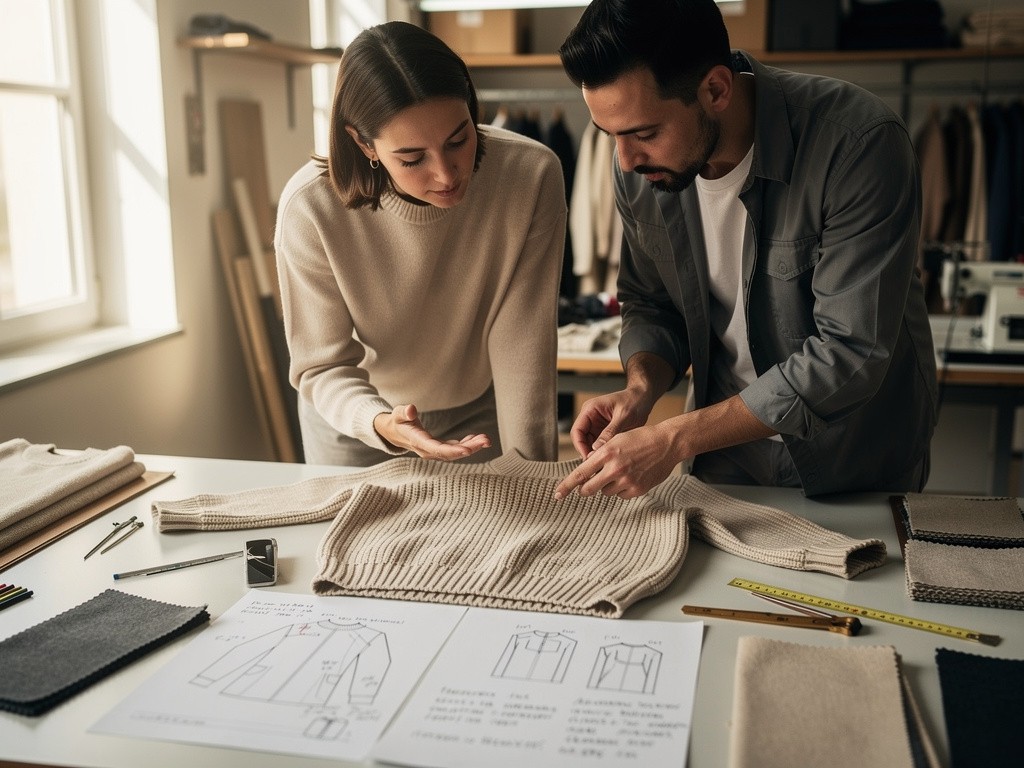
For every clothing brand, choosing the right manufacturing partnership can be just as important as the design itself. You've probably come across the terms OEM and ODM—but what do they actually mean, and how do you know which one fits your brand? These two models represent fundamentally different ways of working, from who owns the design to how much you invest and how much risk you carry. This guide breaks down the difference between OEM and ODM so you can make a smarter production decision for your brand.What Is OEM?OEM stands for Original Equipment Manufacturer. In this model, the brand provides the complete design, specifications, tech pack, and often the chosen materials, while the factory produces the garment exactly to those requirements.Put simply: the design belongs to you, and the factory brings it to life.OEM gives brands the greatest degree of control. You decide the fit, the yarn, the colors, the details, and every quality standard—and the factory applies its production capability and capacity to realize your vision. The finished product is entirely your own exclusive design, and no other brand on the market will carry the same piece.What Is ODM?ODM stands for Original Design Manufacturer. In this model, the factory already has ready-made designs or product styles, and the brand can customize them to a certain degree—changing colors, adding a logo, adjusting trims or packaging—before selling under its own label.Put simply: the design comes from the factory, and you brand it as your own.ODM allows brands to reach the market faster and with a lower barrier to entry, because much of the research, development, and prototyping has already been done by the factory. For brands that want to launch quickly without starting a design from scratch, it's an efficient path.OEM vs ODM: The Key DifferencesComparisonOEMODMDesign sourceProvided by the brandProvided by the factoryCustomization freedomHigh (fully custom)Medium (modify existing styles)Speed to marketSlower (full development)Faster (styles ready)Upfront costHigher (design + sampling)LowerProduct uniquenessExclusive, not replicableMay resemble other brandsBest suited forBrands with a clear design and budgetBrands prioritizing speed and flexibilityWhich Model Is Right for Your Brand?When OEM Is the Better Choice· You already have a clear design vision and a developed tech pack.· You want to create a unique, non-replicable product and build a strong brand moat.· You value complete control over quality, materials, and details.· You have the budget and time to invest in upfront development and sampling.If differentiation and long-term brand identity are your core competitive advantage, OEM is usually the more rewarding choice.When ODM Is the Better Choice· You want to launch quickly and capture seasonal trends or market windows.· Your design resources or development budget are limited.· You're testing a new category and want to validate the market at lower risk.· You prioritize efficiency and flexible minimums over absolute exclusivity.For startups, fast-scaling e-commerce sellers, or brands looking to test a new line at low cost, ODM is a practical and efficient path.Can You Combine Both?Absolutely. Many growing brands adopt a hybrid strategy: using ODM to quickly launch basics or supplementary lines to maintain a steady flow of new arrivals, while using OEM to create the signature or flagship pieces that define the brand's identity. A factory with both OEM and ODM capabilities can flexibly adjust the way it works as your brand grows—an important factor when choosing a manufacturing partner.Frequently Asked Questions About OEM and ODMWhich costs more, OEM or ODM?OEM typically requires a higher upfront investment, since you carry the design development and sampling costs, while ODM has a lower entry barrier thanks to ready-made styles. In terms of long-term brand value, however, the exclusivity of OEM often delivers greater returns.Could an ODM product look like another brand's?Possibly. Because ODM builds on the factory's existing designs, other brands may use similar styles. You can differentiate to some degree by customizing colors, trims, logos, and packaging.Which should a startup brand choose first?With limited budget and design resources, many startups begin with ODM to launch quickly and validate the market, then gradually shift toward OEM to build exclusive products as they grow.Can one factory handle both OEM and ODM?Yes. A full-process knitwear factory like VSCOO can produce OEM to your own designs and also offer customizable ODM solutions, helping brands choose flexibly at different stages.Choose the Right Model—and the Right PartnerWhether you lean toward the full control of OEM or the efficiency and flexibility of ODM, your success ultimately depends on the manufacturing partner you choose. A factory that understands your brand positioning, communicates transparently, and maintains consistent quality control can deliver excellent results under either model—and grow alongside your brand.Ready to find the right manufacturing model for your brand? Get in touch for a quote and let's bring your vision to life.
Custom Sweater Manufacturer: The Complete Guide for Fashion Brands
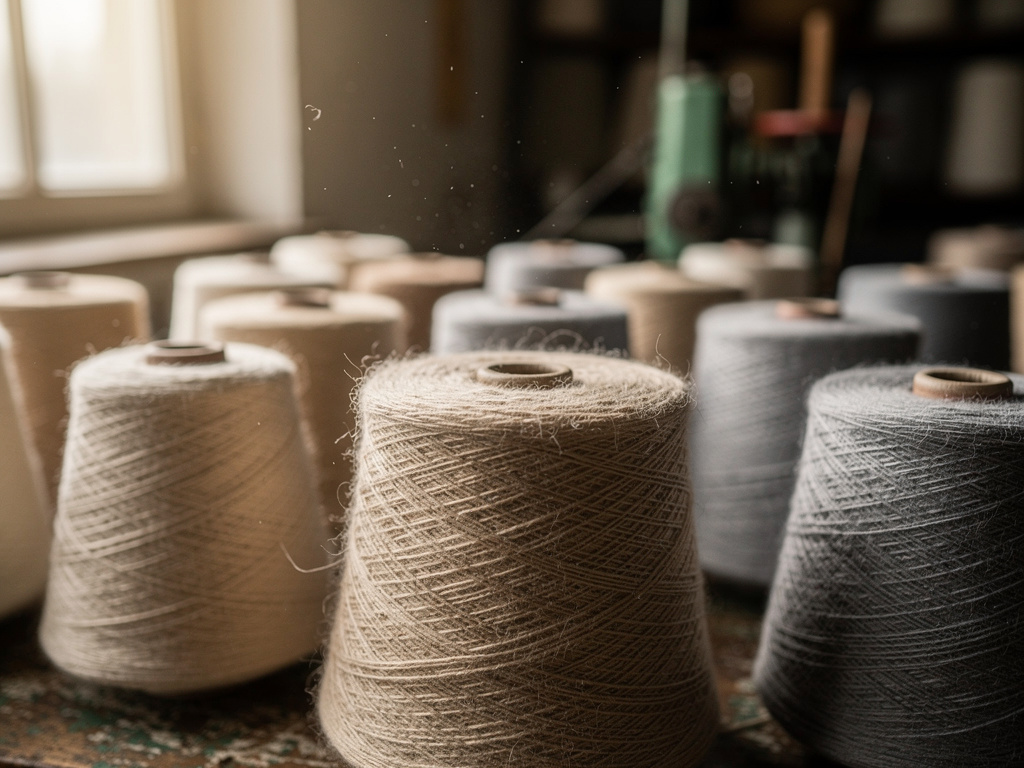
Bringing a knitwear collection to life is exciting—but choosing the right custom sweater manufacturer can make or break your brand. From yarn selection to stitch construction, small details define whether your sweaters feel premium or fall flat. This guide walks you through how professional custom knitwear production actually works, so you can partner with a factory with confidence.Why the Right Knitwear Partner MattersSweaters are one of the most technically demanding garments to produce. Unlike cut-and-sew apparel, knitwear is built stitch by stitch, meaning gauge, tension, and yarn behavior all directly affect the final fit and hand-feel. A skilled custom sweater manufacturer doesn't just sew your design—it engineers it, balancing your aesthetic vision with the realities of knitting machinery and fiber performance.For emerging DTC labels and established fashion brands alike, the difference shows up in returns, reviews, and reorders. A reliable manufacturing partner protects your margins by getting the product right the first time.How Custom Sweater Production Works, Step by Step1. Design Review and Tech PackEverything begins with your design. Whether you provide a finished tech pack, a style reference, or a simple sketch, an experienced factory will translate it into a manufacturable specification. This includes confirming the knit structure, gauge, measurements, trims, and finishing details before any sample is made.2. Yarn SelectionYarn is the single biggest driver of cost, quality, and feel. Common options include:· Merino wool for softness, warmth, and breathability—ideal for premium positioning.· Cashmere and wool-cashmere blends for luxury collections.· Cotton and cotton blends for transitional and warm-climate markets.· Recycled and organic yarns for sustainability-focused brands.· Acrylic and acrylic blends for accessible price points without sacrificing consistency. A good manufacturer will recommend the right yarn for your target price and positioning, not just the cheapest available option.3. Sampling and ApprovalBefore bulk production, you receive samples to evaluate fit, color, and construction. This is the stage to refine details—neckline shape, ribbing, button placement, or logo execution. Most reputable factories will iterate until the sample meets your standard.4. Bulk Production and Quality ControlOnce approved, your order moves to bulk. Professional factories run inline and final inspections, checking measurements, stitch integrity, color consistency, and finishing. Strong QC is what separates a dependable partner from a risky one.5. Branding, Packaging, and DeliveryThis is where private label services add real value. A full-service manufacturer can produce custom labels, woven logos, hangtags, and branded packaging—delivering a shelf-ready product that reinforces your brand identity from the moment a customer opens the box.What to Look for in a Custom Sweater ManufacturerWhen evaluating a potential partner, prioritize:· Customization depth: Can they handle private label, custom logos, color matching, yarn sourcing, and sizing tailored to your market?· Reasonable MOQs: A factory that supports lower minimums helps emerging brands test the market without overextending capital.· Category range: Manufacturers experienced across men's, women's, kids', and even pet knitwear plus accessories like beanies and scarves can grow with your brand.· Clear communication: Fast, transparent responses to inquiries—especially around costs, timelines, and revisions—signal an organized operation.· Consistent quality control: Documented inspection processes protect you from costly defects.Common Questions About Custom SweatersWhat is the typical MOQ for custom sweaters?MOQs vary by factory and yarn, but flexible manufacturers often accommodate smaller starting quantities for new brands, scaling up as your orders grow.How long does custom sweater production take?Sampling usually takes one to two weeks, while bulk production typically runs four to eight weeks depending on order size, yarn availability, and complexity.Can I add my own logo and labels?Yes. A full-service custom sweater manufacturer offers private label options including woven logos, custom care labels, hangtags, and branded packaging.Which yarn is best for my collection?It depends on your target market, season, and price point. An experienced partner will guide you toward the right balance of feel, durability, and cost.Partner With a Factory That Understands Your BrandThe best knitwear partnerships go beyond manufacturing—they bring craftsmanship, transparency, and a genuine investment in your product's success. Whether you're launching your first capsule collection or scaling an established line, working with a specialized custom sweater manufacturer ensures every stitch reflects the quality your customers expect.Ready to bring your knitwear vision to life? Get in touch for a quote and let's build something exceptional together.