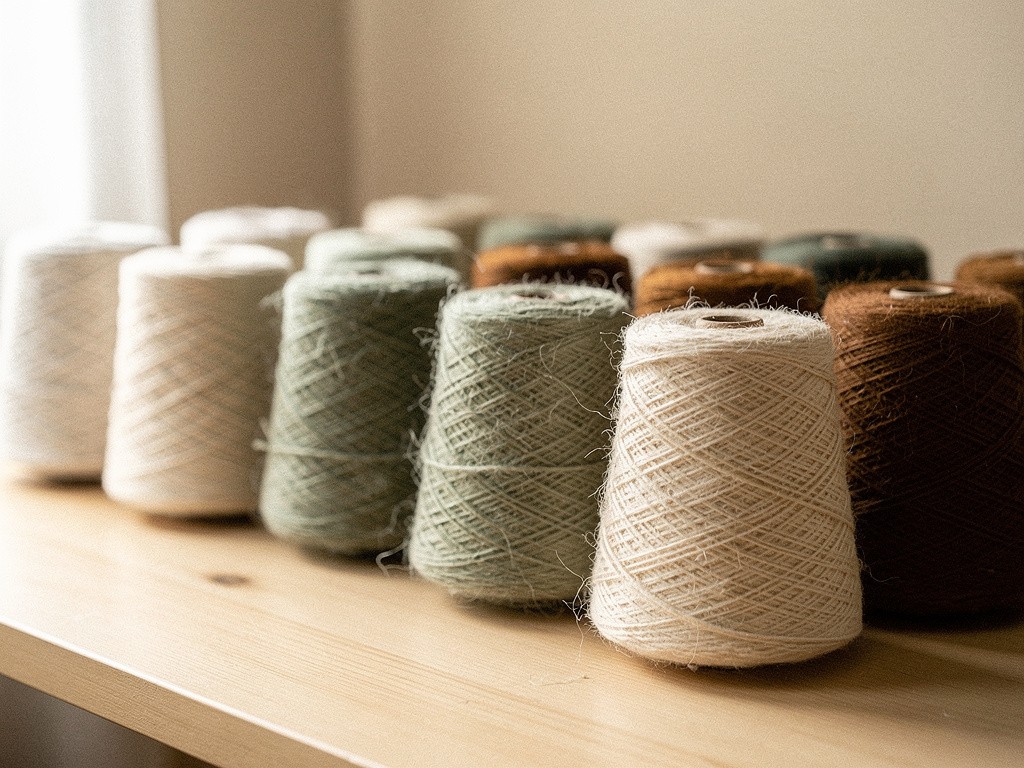
SUSTAINABLE
Why More Brands Are Switching to Recycled and Organic Knitwear
Sustainability is no longer a niche selling point—it's becoming a core expectation. Across the fashion industry, a growing number of brands are moving away from conventional materials and embracing recycled and organic knitwear. This shift isn't just about marketing; it reflects real changes in consumer values, supply chain priorities, and long-term business strategy. So what's driving this transition, and what does it mean for your brand? Let's take a closer look.What Are Recycled and Organic Knitwear?Before exploring the "why," it helps to understand the "what."Organic knitwear is made from fibers grown without synthetic pesticides, fertilizers, or genetically modified seeds—most commonly organic cotton, but also organic wool and other natural fibers. These materials are cultivated under stricter environmental and often social standards, reducing their impact on soil, water, and farming communities.Recycled knitwear is made from fibers reclaimed from post-consumer or post-industrial waste—such as recycled wool from discarded garments, or recycled polyester spun from plastic bottles. Instead of relying entirely on virgin resources, recycled yarns give existing materials a second life.Together, these two categories form the backbone of sustainable knitwear, and increasingly, they're what conscious brands are building their collections around.Why the Shift Is Happening Now1. Consumers Are Demanding ItToday's shoppers—particularly younger generations—care deeply about where their clothing comes from and how it's made. Many are willing to choose, and even pay more for, products that align with their values. For brands, offering recycled and organic knitwear is no longer optional; it's a way to earn trust and stay relevant with an increasingly informed audience.2. Environmental Impact Is Under ScrutinyConventional textile production is resource-intensive, consuming large amounts of water, energy, and chemicals. Recycled and organic materials significantly reduce this footprint—organic farming protects soil and waterways, while recycled fibers divert waste from landfills and lower the demand for virgin resources. For brands committed to reducing their environmental impact, materials are one of the most powerful levers to pull.3. Regulations and Reporting Are TighteningAround the world, governments and industry bodies are introducing stricter requirements around sustainability claims, supply chain transparency, and environmental disclosure. Brands that adopt recycled and organic materials early—and can document them credibly—are better positioned to meet these evolving standards rather than scrambling to catch up later.4. Sustainability Builds Long-Term Brand ValueBeyond compliance and cost, sustainability has become a genuine differentiator. A credible commitment to recycled and organic knitwear strengthens brand identity, deepens customer loyalty, and opens doors to retailers and partners who prioritize responsible sourcing. It's an investment in resilience as much as reputation.Common Concerns—and the RealitySome brands hesitate to make the switch, often due to a few persistent myths."Sustainable materials mean lower quality." In reality, modern organic cotton and recycled wool can match—or exceed—the softness, durability, and appearance of conventional fibers when sourced and knitted well. Quality comes down to the yarn and the craftsmanship, not the "sustainable" label."It's too expensive." While some sustainable materials carry a higher raw cost, the gap continues to narrow as demand grows. Many brands find that the value in customer loyalty, premium positioning, and future-proofing outweighs the difference."Certifications are confusing." It's true there are many standards, but a knowledgeable manufacturing partner can guide you toward the right certifications for your market and help ensure your claims are credible and verifiable.How to Make the Switch SuccessfullyTransitioning to recycled and organic knitwear doesn't have to happen all at once. Many brands start by introducing a capsule collection or converting their best-selling styles first, then expand as they gain confidence and customer feedback. The key is to work with a manufacturer who understands sustainable materials, can source certified yarns, and maintains transparent, consistent quality control throughout production.Frequently Asked QuestionsIs recycled knitwear as durable as conventional knitwear?Yes, when produced well. The durability depends on the quality of the recycled yarn and the knitting process. High-quality recycled wool and blends can perform just as well as virgin materials.What certifications should I look for?Common ones include GOTS (Global Organic Textile Standard) for organic fibers and GRS (Global Recycled Standard) for recycled content. The right choice depends on your materials and target market—your manufacturer can advise.Does organic cotton feel different from regular cotton?Organic cotton is typically just as soft, and many find it gentler on the skin since it's grown and processed without harsh synthetic chemicals.Can a factory produce both recycled and organic knitwear?Yes. A capable knitwear manufacturer like VSCOO can source certified organic and recycled yarns and produce both to your specifications, making it easier to build a sustainable collection.Building a More Sustainable Future, TogetherThe move toward recycled and organic knitwear isn't a passing trend—it's a reflection of where the industry, and its customers, are heading. Brands that embrace this shift thoughtfully stand to gain loyal customers, stronger positioning, and a more resilient supply chain. And it all starts with choosing the right materials and the right manufacturing partner.Ready to create knitwear your customers can feel good about? Get in touch for a quote and let's build a more sustainable collection together.
July 7, 2026
Read More arrow_forward