How to Care for Sweaters: A Complete Guide to Keeping Knitwear Looking New
how to care for sweaters, how to wash a wool sweater, sweater care guide, how to store sweaters, prevent sweater pilling
July 7, 2026
how to care for sweaters, how to wash a wool sweater, sweater care guide, how to store sweaters, prevent sweater pilling
July 7, 2026
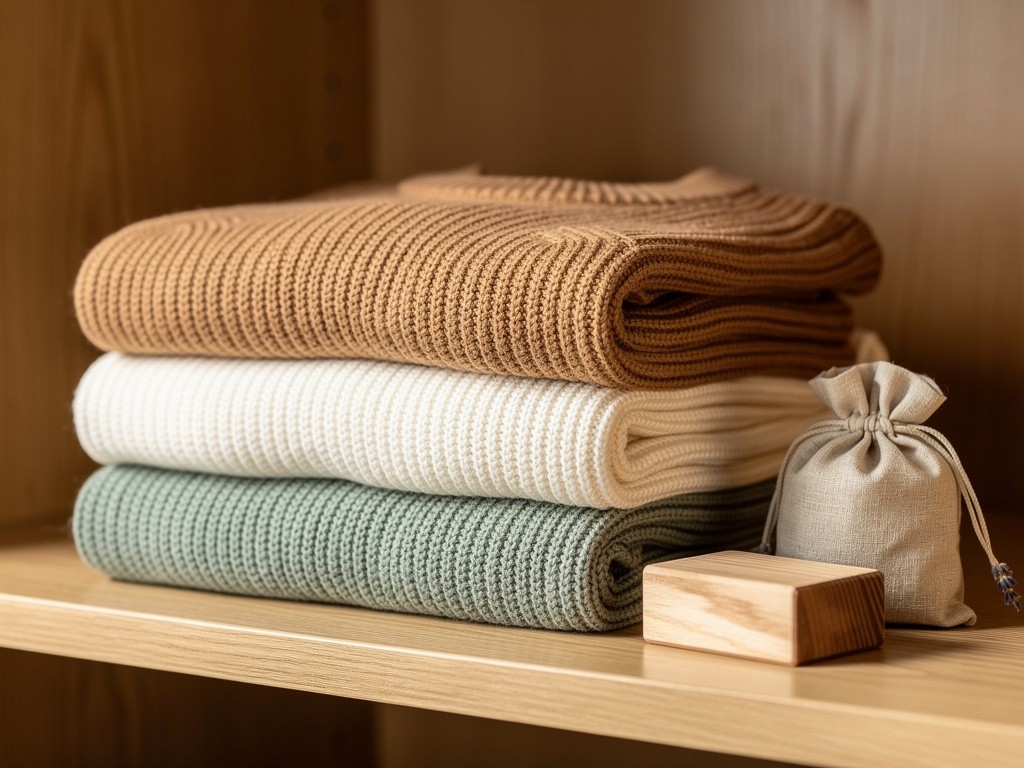
A well-made sweater is an investment—and with the right care, it can stay soft, structured, and beautiful for years. Yet knitwear is also one of the most commonly damaged garments in the wardrobe, thanks to improper washing, drying, and storage. This guide breaks down exactly how to care for sweaters, whether they're merino wool, cashmere, cotton, or a blend, so your favorite pieces keep their shape and comfort season after season.
Unlike woven fabrics, sweaters are knitted—a construction of interlocking loops that gives knitwear its stretch and warmth, but also makes it vulnerable to stretching, shrinking, and pilling. As a custom knitwear manufacturer, we see firsthand how proper care can double or triple a garment's lifespan. The good news: caring for sweaters is simple once you understand a few fundamentals about fiber behavior.
Before anything else, check the care label sewn into the garment. It tells you the fiber content and the manufacturer's recommended method—hand wash, machine wash, or dry clean only. Different fibers behave very differently:
· Wool and merino: Naturally odor-resistant and often needs washing less frequently than you'd expect.
· Cashmere: Delicate and luxurious; benefits from gentle hand washing.
· Cotton and cotton blends: More durable and machine-friendly, but still prone to stretching if handled roughly.
· Acrylic and synthetics: Easy-care, but more prone to pilling over time.
When in doubt, treat the sweater as delicate—gentler methods rarely cause harm.
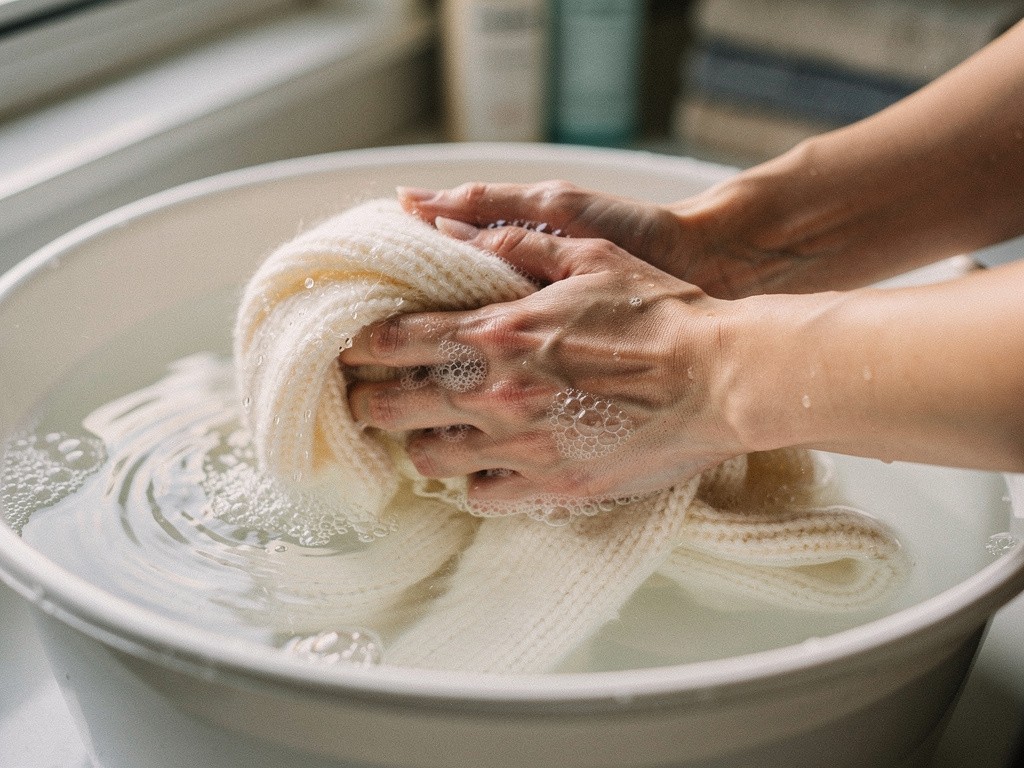
Hand washing is the safest method for delicate knits. Fill a basin with cool or lukewarm water and add a small amount of gentle wool-specific or pH-neutral detergent. Submerge the sweater and gently press the water through the fabric—never twist, wring, or scrub, as this breaks fibers and distorts the shape. Let it soak for a few minutes, then rinse thoroughly with clean water.
If the label permits, use the gentle or wool cycle with cold water. Turn the sweater inside out and place it inside a mesh laundry bag to reduce friction and pilling. Always use a mild detergent and skip the fabric softener, which can coat natural fibers and reduce their softness over time.
This is where most sweaters get ruined. Never hang a wet sweater or put it in the dryer—the weight of the water will stretch it out of shape, and heat can cause severe shrinkage.
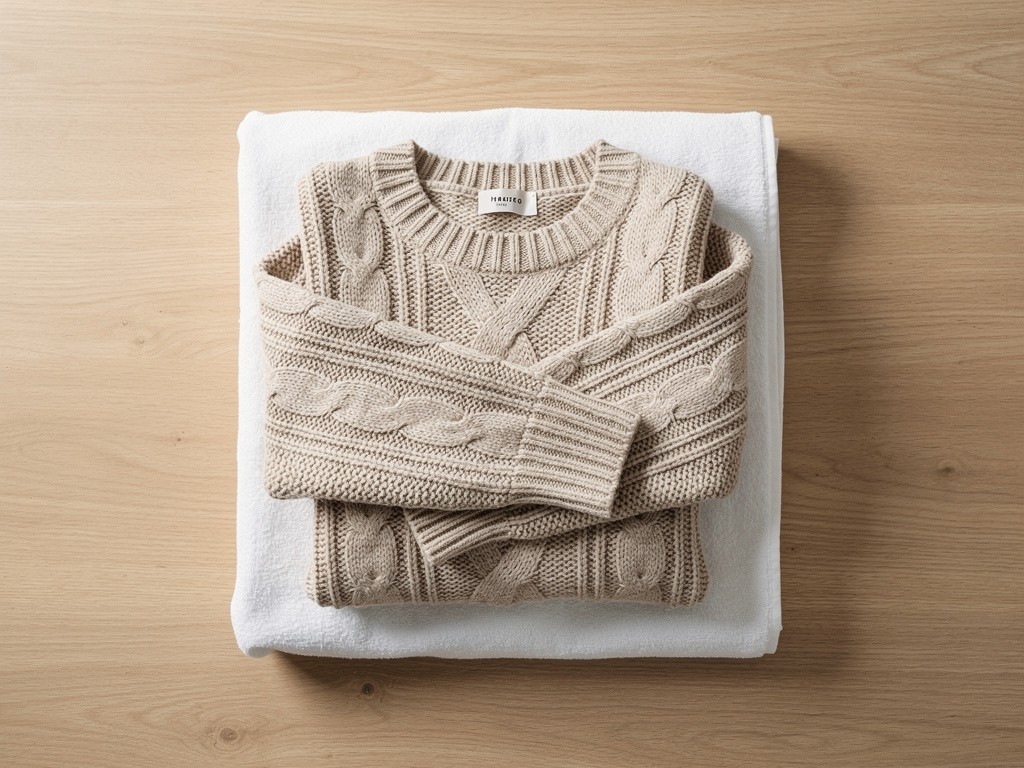
Instead, gently press out excess water (do not wring), then lay the sweater flat on a clean, dry towel. Roll the towel up with the sweater inside to absorb moisture, then reshape the sweater to its original dimensions and lay it flat to dry on a fresh towel or a mesh drying rack, away from direct sunlight and heat sources.
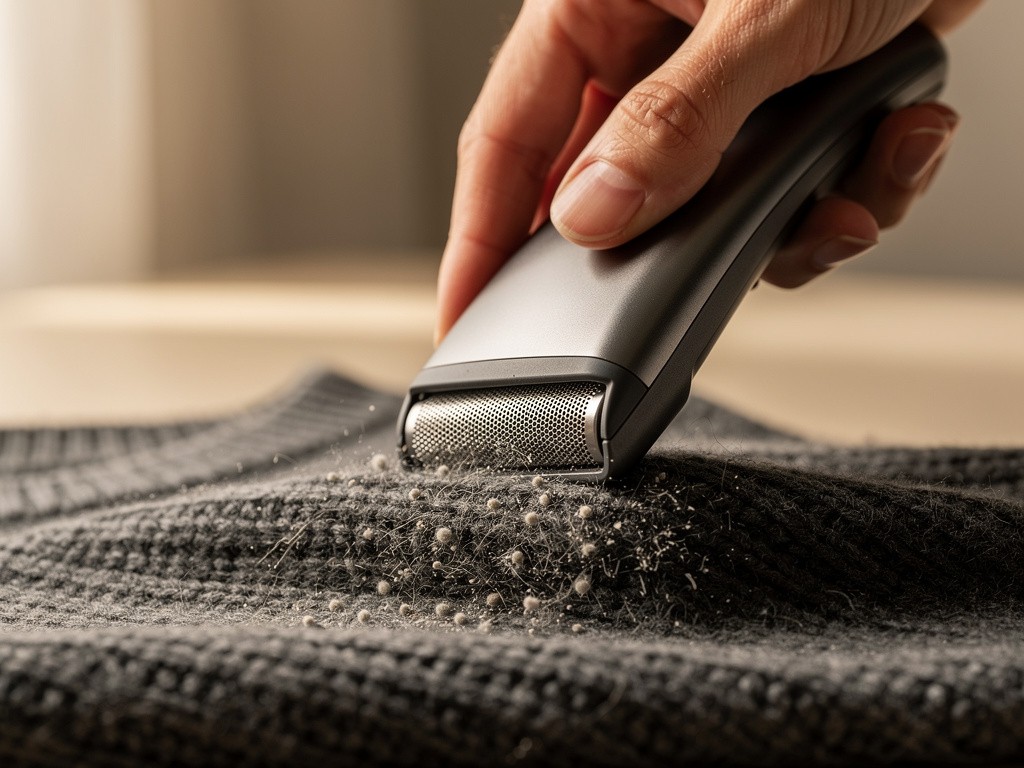
Pilling—those small fuzzy balls that form where fabric rubs together—is normal and doesn't mean your sweater is low quality. To remove pills safely, use a dedicated fabric shaver or a sweater comb, working gently in one direction over a flat surface. Avoid pulling pills off by hand, which can damage the surrounding stitches. Regular, gentle de-pilling keeps knitwear looking fresh and new.
How you store sweaters between wears matters just as much as how you wash them.
· Fold, don't hang. Hanging stretches the shoulders and distorts the shape. Always fold sweaters and stack them on a shelf or in a drawer.
· Keep them clean before storing. Moths and pests are attracted to body oils and food residue, so wash or air sweaters before long-term storage.
· Use breathable storage. For seasonal storage, use cotton garment bags or breathable boxes rather than sealed plastic, which can trap moisture.
· Add natural deterrents. Cedar blocks or lavender sachets help protect wool and cashmere from moths without harsh chemicals.
· Let sweaters rest a day between wears so fibers can recover their shape.
· Wash less frequently—airing out wool is often enough to refresh it.
· Address stains promptly with gentle spot cleaning rather than a full wash.
· Store heavy knits folded flat, never on hangers.
How often should I wash a wool sweater?
Wool is naturally odor- and dirt-resistant, so you can often wear it several times before washing. Airing it out overnight is usually enough to refresh it between washes.
Can I put a sweater in the dryer?
It's best to avoid it. Heat and tumbling cause shrinkage and felting, especially with wool and cashmere. Always lay sweaters flat to dry instead.
How do I stop my sweater from pilling?
Turn it inside out before washing, use a mesh bag, wash gently, and de-pill regularly with a fabric shaver. Choosing higher-quality yarns also reduces pilling over time.
Why did my sweater shrink?
Shrinkage is usually caused by hot water, heat drying, or agitation. Cool water, gentle handling, and flat drying prevent it.
The best sweater care begins long before the first wash—it starts with how a garment is made. Well-constructed knitwear, crafted from carefully selected yarns and finished with attention to detail, holds its shape and resists wear far better than mass-produced alternatives. At VSCOO, we build every custom sweater to last, so your customers enjoy comfort and quality wear after wear.
Expert Custom Knitwear Manufacturer

MOQ 100 pcs/style. Response within 24 hours.
Get a Free Quote